
Universal design in healthcare extends well beyond accessibility standards. At its core, it is an evidence-based approach to creating environments that anticipate human needs, reduce friction, and support health, comfort, and dignity across diverse populations.
In the final installment of our 2025 Healthcare Blog Series, we examine how universal design principles contribute to better healthcare experiences for patients, visitors, and staff—while also addressing the often-overlooked needs of women, particularly those navigating perimenopause and menopause.
What Universal Design Looks Like in Healthcare
Effective universal design supports a wide range of users by focusing on performance-driven design elements, including:
- Ergonomic comfort: Seating that accommodates varied body types, postures, and durations of use—supporting both short visits and extended stays
- Thermal comfort: Materials and furnishings that help mitigate temperature variability and improve perceived comfort
- Sensory balance: Lighting, acoustics, and material palettes designed to reduce stress and cognitive load
- Intuitive use: Clear spatial layouts and furnishings that are easy to understand, navigate, and use without instruction
These principles have been shown to positively impact patient experience, staff well-being, and operational efficiency—benefiting healthcare environments across age, gender, and ability.
A Woman-Centered Lens That Benefits Everyone
Designing with women in mind does not mean designing exclusively for women. Research consistently shows that women represent a significant portion of both the healthcare workforce and patient population, and that life-stage health experiences—such as menopause—highlight needs that are frequently underrepresented in traditional healthcare design.
Key considerations include:
- Increased sensitivity to temperature fluctuations
- The need for supportive, breathable, and comfortable seating
- Environments that reduce sensory and cognitive overload during care, waiting, or work
When these factors are addressed, healthcare spaces become more inclusive, humane, and adaptable, supporting better outcomes and experiences for all users.

Design in Practice
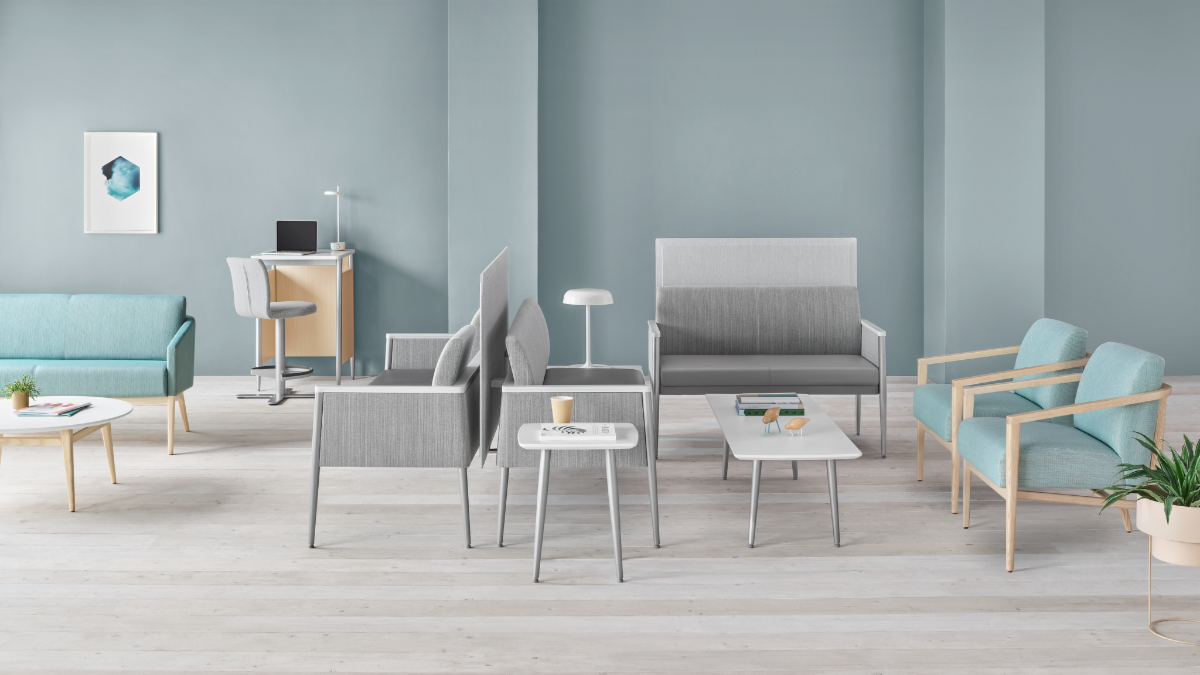
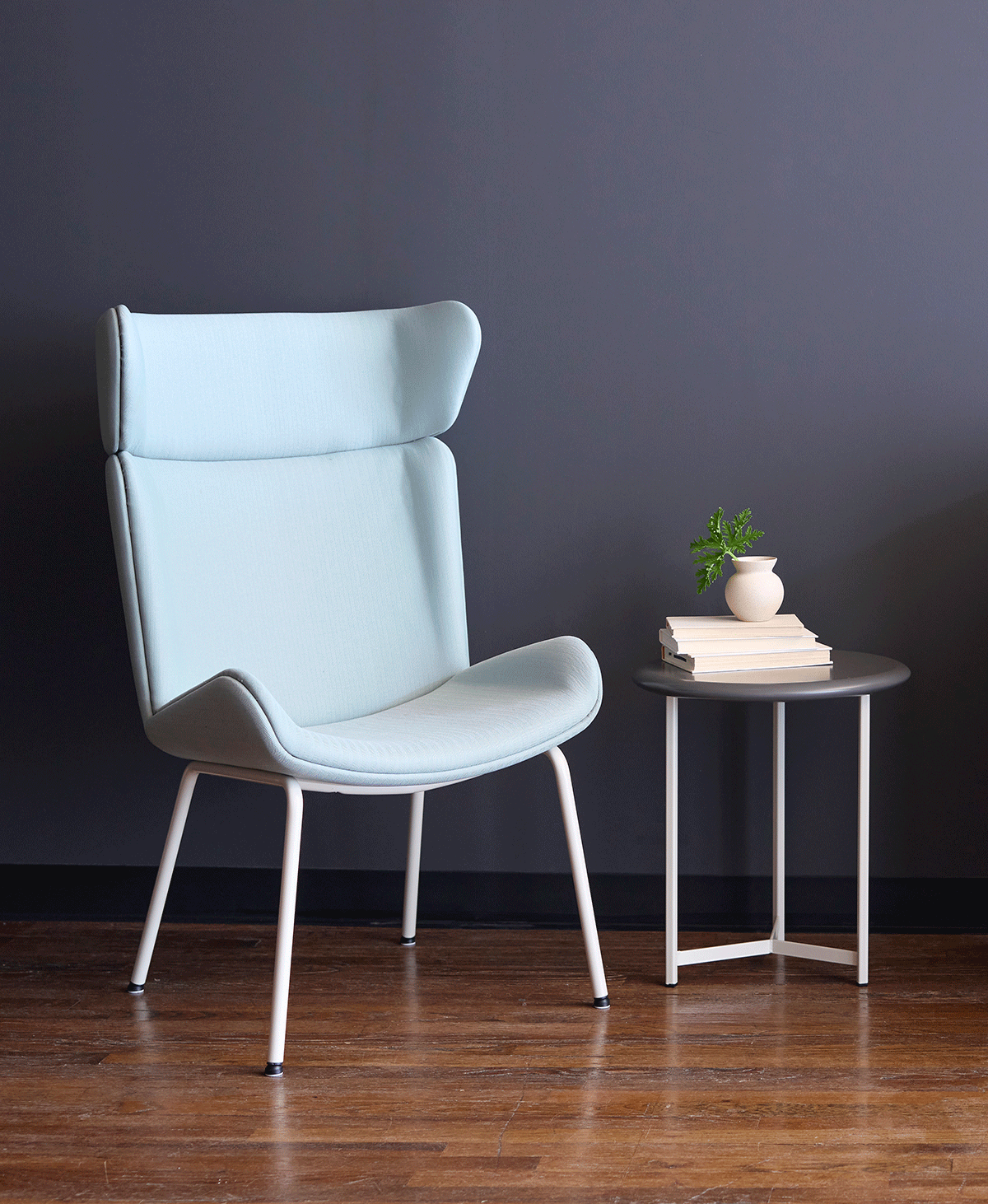
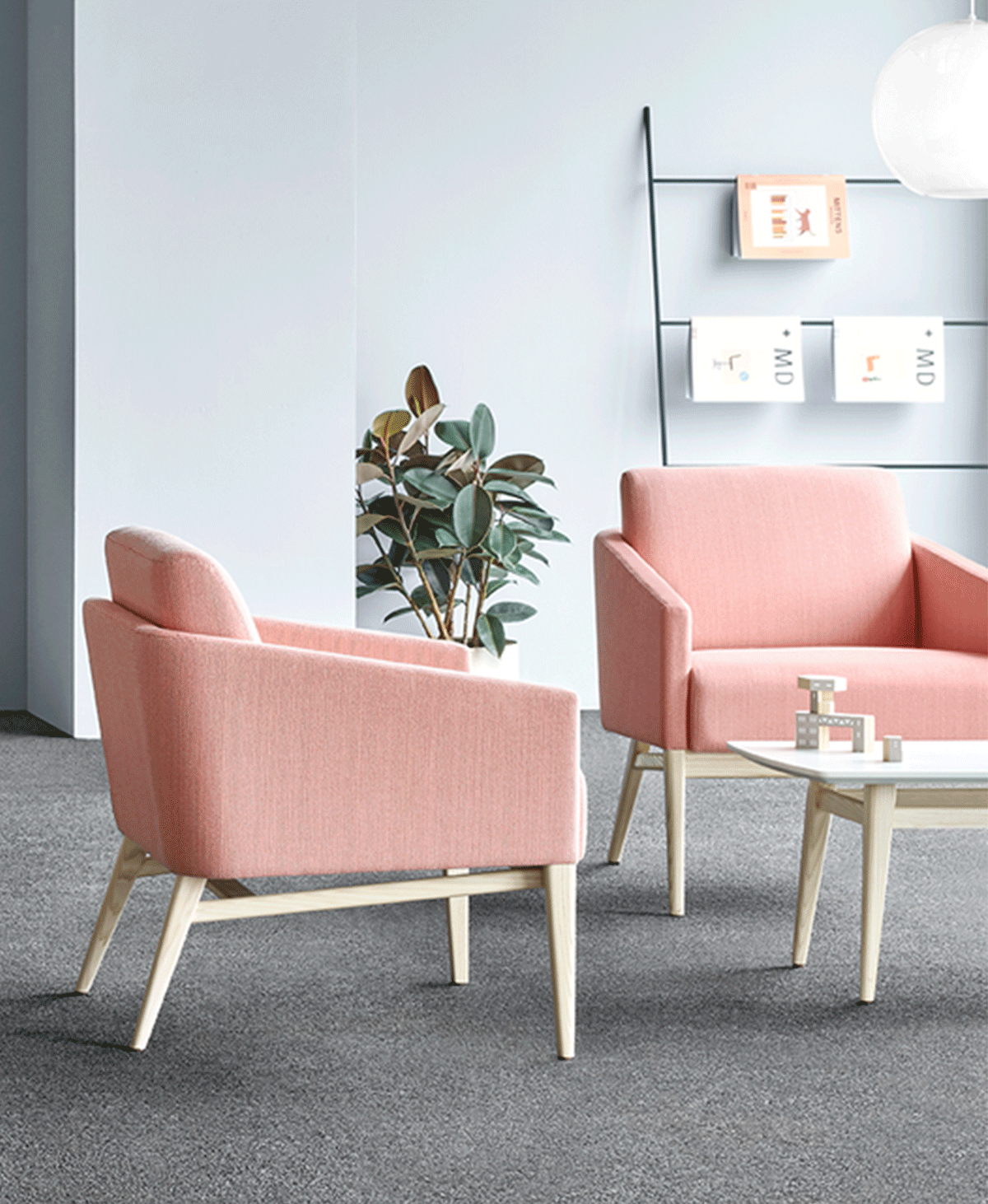
Universal design principles translate into furniture solutions such as MillerKnoll’s Palisade Collection, which combines supportive ergonomics with warm wood finishes, and OFS Kyte lounge seating, designed to offer flexibility, comfort, and durability across a variety of healthcare settings.
How Creative Makes a Difference
At Creative Business Interiors, we partner with healthcare organizations and leading furniture manufacturers to create universal healthcare environments that support patients, families, clinicians, and staff across all life stages.
Our work prioritizes spaces that are:
- Purpose-driven and performance-focused — supporting infection control, durability, and day-to-day operational demands
- Comfort-forward and human-centered — enhancing physical ease, dignity, and emotional well-being
- Adaptable and equitable by design — accommodating diverse bodies, abilities, and evolving healthcare needs
Creative Business Interiors is a service provider for commercial spaces. Every step of our project process is in-house, from designing through building, furnishing, and maintaining.