
Imagine trying to treat tomorrow’s patients with yesterday’s space. Healthcare moves fast—think rapid changes in technology, shifting patient demographics, or even a global health crises. That’s where flexibility in healthcare design comes in. It’s not just a trend; it’s a necessity for delivering better care, smarter operations, and future-ready facilities.
So… What Is Flexibility in Healthcare?
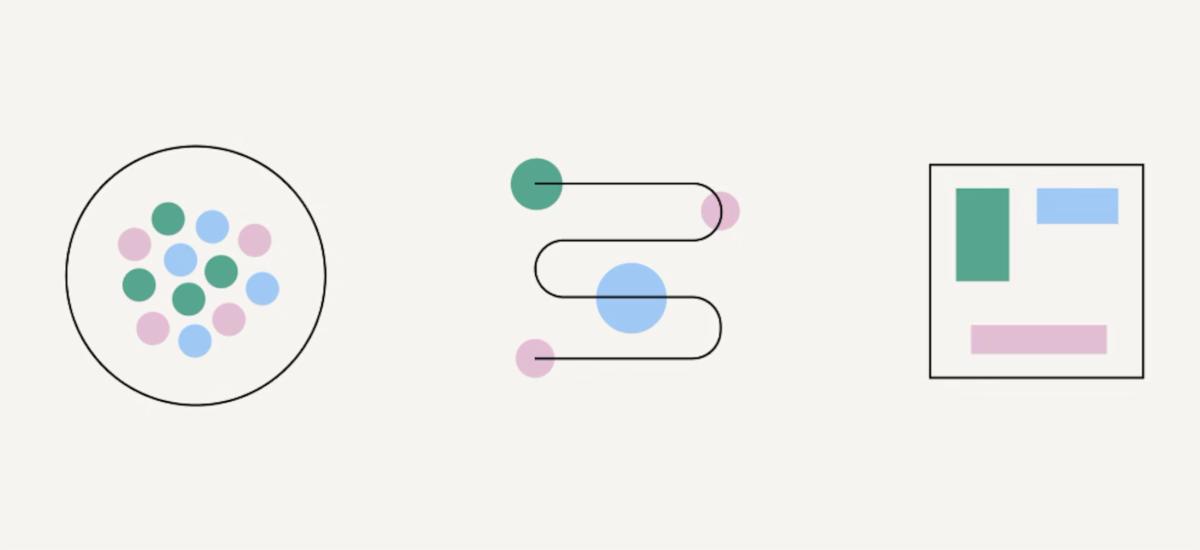
At its core, flexibility means designing spaces that adapt as needs evolve. Whether it’s updating equipment, rearranging workflows, or responding to unexpected scenarios, a flexible healthcare environment allows these changes with minimal disruption and cost. We’re talking about reconfigurable rooms, scalable spaces, and layouts that anticipate future innovations.
Why is Matters
Rigid layouts belong in the past. In a dynamic healthcare environment, flexibility is essential for staying current and effective. Flexibility supports:
- Rapid response to new treatments or patient volumes.
- Better integration of emerging tech (telemedicine, anyone?).
- Smoother day-to-day operations.
- Lower costs over time, thanks to fewer major renovations.
Planning for Flexibility: Where It All Starts
Building in flexibility starts long before the first brick is laid. Here’s how smart planning makes all the difference:
Design Together: Work with the people who will actually use the space. Clinicians, nurses, facility staff—they know the real struggles. Co-designing uncovers daily pain points and shows what’s truly possible.
Plan for Scenarios: What happens when you’re short-staffed? Or need to suddenly implement new safety protocols? Design for both the smooth and the rocky days, ensuring spaces work no matter the situation.
Focus on the Everyday: Look at daily tasks—how fast are they done, how easy is the space to use, and how well do people bounce back when mistakes happen? Designing for day-to-day realities often improves performance in emergencies too.
Making Spaces More Flexible
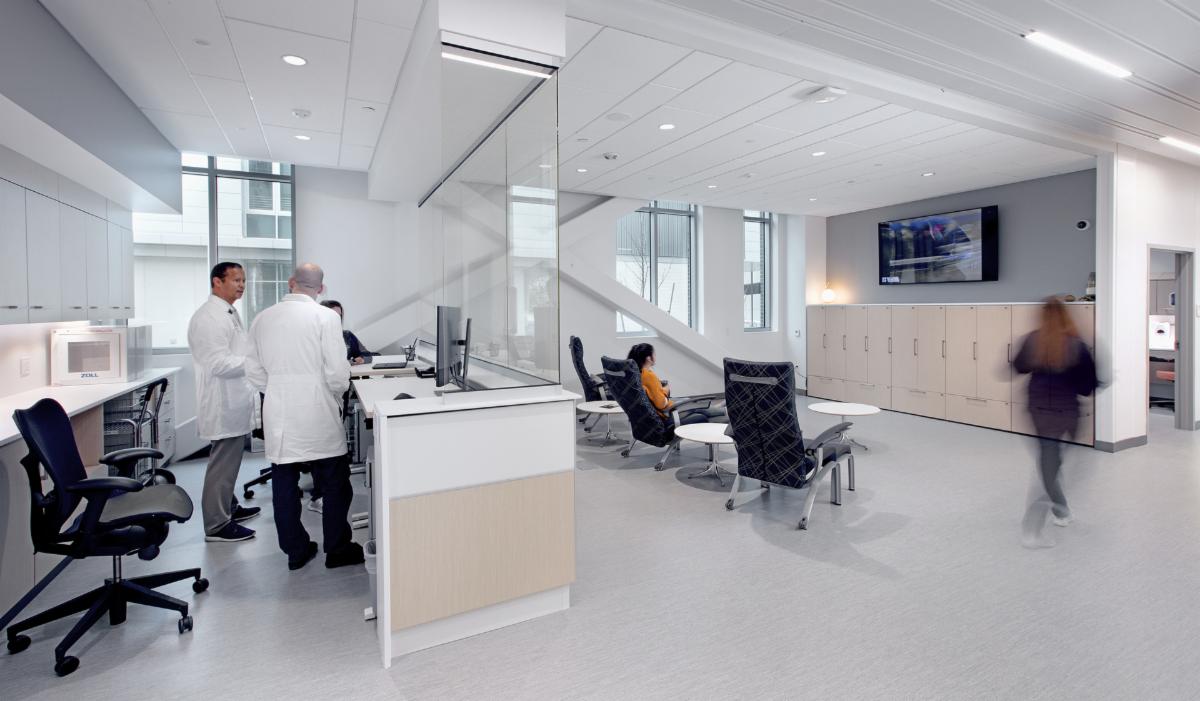
Here are some practical ways to make flexibility a built-in feature of your healthcare facility.
- Adaptable Spaces: Areas that can be easily modified for different uses.
- Reconfigurable Rooms: Rooms that shift to support a range of procedures or care models.
- Scalability: Expand or shrink spaces as patient volumes change.
- Versatility: Multi-purpose areas with minimal physical changes.
- Modifiability: Quick updates without needing a full renovation.
- Convertibility: Use the same base building for new functions with minor layout tweaks.
- Future-Focused Design: Plan now for tomorrow’s trends like telehealth, holistic care, and aging populations
Real-Life Insights: From Tape to Transformation
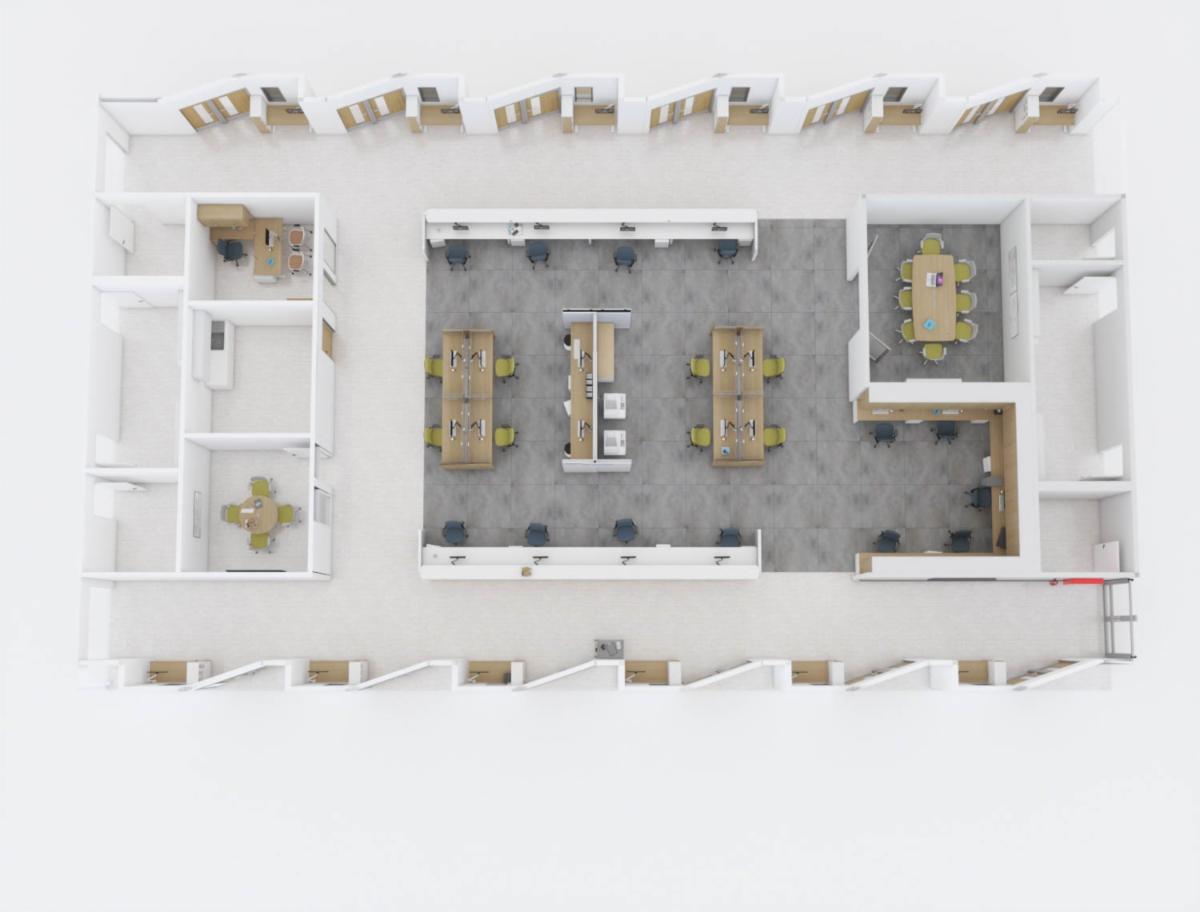
Here’s an example: A healthcare team partnered with designers to rethink how space supports staff workflows. Using tape on the floor, they mocked up casework and furniture layouts to test different configurations in real time. The result? A layout that wasn’t just efficient on paper—it worked in practice, helping teams respond more effectively to both routine tasks and unexpected challenges.
Occupancy: Teach the Space
Just because you built a flexible space doesn’t mean everyone will know how to use it right away. Onboarding is key. Teach teams how the space can evolve with them, and how design elements support their goals. Think of it as training—not just in procedures, but in the environment itself.
Another Real-World Win
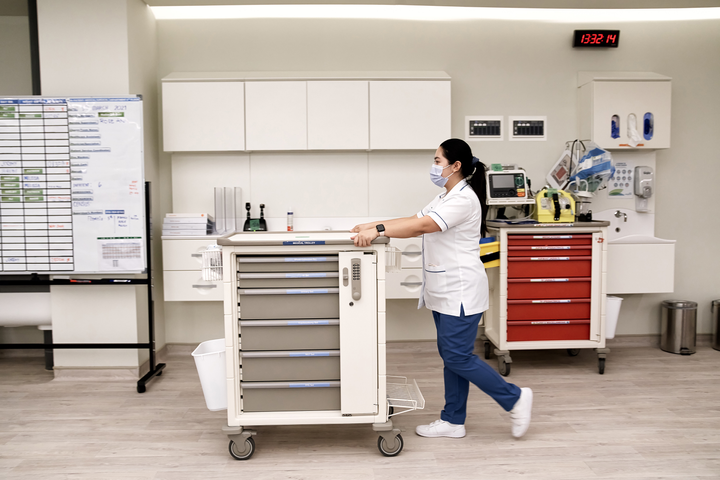
In one healthcare setting, an emergency department introduced a new supply cart system to improve material management. Beyond installation, staff were trained on how to use the system effectively, and occasional check-ins helped reinforce best practices. The result was fewer workarounds, smoother workflows, and a better connection between the physical environment and clinical needs.
Practice Makes Perfect: Tending to Your Space
Finally, flexibility isn’t a one-and-done thing. You have to tend your space. That means making regular adjustments, testing improvements, and seeing your facility as a living, evolving tool. It’s like patient care: monitor, respond, and adapt.
Creative Business Interiors is a service provider for commercial spaces. Every step of our project process is in-house, from client consulting and designing, through building, furnishing, and maintaining.